Buy brain-hack.com ?
We are moving the project
brain-hack.com .
Are you interested in purchasing the domain
brain-hack.com ?
domain@kv-gmbh.de · 0541-91531010
Buy brain-hack.com ?
How do non-homologous recombination and homologous recombination work?
Non-homologous recombination involves the joining of two DNA molecules at non-homologous sequences, resulting in the insertion, deletion, or rearrangement of genetic material. This process is often error-prone and can lead to mutations. Homologous recombination, on the other hand, involves the exchange of genetic material between two similar DNA molecules, typically occurring during meiosis. This process is important for repairing DNA damage and ensuring genetic diversity. It involves the exchange of genetic material between homologous chromosomes, resulting in the formation of new combinations of genes. **
What is the difference between interchromosomal recombination and intrachromosomal recombination?
Interchromosomal recombination involves the exchange of genetic material between two different chromosomes, while intrachromosomal recombination involves the exchange of genetic material within the same chromosome. Interchromosomal recombination can result in the creation of new combinations of genes from different chromosomes, leading to genetic diversity. In contrast, intrachromosomal recombination can lead to the repair of DNA damage or the creation of genetic variation within the same chromosome. Both processes are important for genetic diversity and evolution. **


Similar search terms for Homologous recombination
Top-Angebote
Products related to Homologous recombination:
-
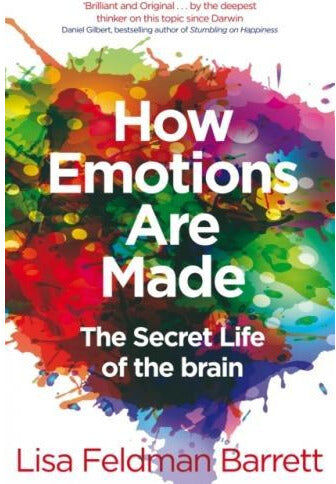
MACMILLAN How Emotions Are Made – The Secret Life of the Brain by Lisa Feldman Barrett Neuroscience & Psychology BestsellerDiscover a groundbreaking new understanding of the human mind with How Emotions Are Made: The Secret Life of the Brain by Lisa Feldman Barrett. Challenging long-held beliefs about how emotions work, neuroscientist Lisa Feldman Barrett presents a revolutionary theory explaining that emotions are not universal reactions, but are actively constructed by the brain. Drawing on cutting-edge research in psychology and neuroscience, the book reveals how the brain predicts, interprets, and shapes our emotional experiences. Written in an accessible and engaging style, this bestseller reshapes how we think about feelings, decision-making, mental health, and human behavior. It’s essential reading for anyone interested in psychology, neuroscience, self-understanding, and emotional intelligence. Why Readers Love This Book: Revolutionary insights into how emotions are created Based on modern neuroscience research Accessible explanations for general readers Practical implications for mental well-being Ideal for psychology and science enthusiasts A thought-provoking exploration of the brain, How Emotions Are Made changes how we understand what it means to feel.3,99 £*Shipping: 1,99 £Secure redirect to the provider
-
Rupa Publications The Brain Mechanic: Think Smarter, Not Harder by Peter Hollins - Paperback Self-Help Guide to Focus, Memory & Mental FitnessUnlock your brain's full potential with The Brain Mechanic: Think Smarter, Not Harder by Peter Hollins. This practical guide, written by bestselling psychology author Peter Hollins, distills complex neuroscience into clear, actionable steps. Rather than vague advice to 'train your brain', Hollins treats the mind as a machine that needs regular maintenance, offering readers a toolkit to boost focus, memory, and mental clarity in everyday life. The book argues that the brain is a physical organ that can wear down, misfire, and underperform, but can also be tuned up again. It walks readers through the everyday habits, environmental factors, and thinking patterns that quietly sabotage cognitive performance, then provides practical solutions to overcome these challenges. Written for adults, this self-help book is published by Rupa Publications in paperback format, with the ISBN 9789355209412.2,99 £*Shipping: 2,99 £Secure redirect to the provider
-
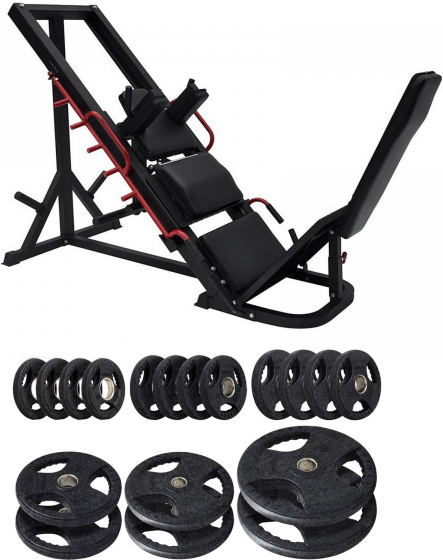
BodyMax CF800 Leg Press/Hack Squat Machine CF800 Leg Press/Hack Squat + 125kg...The BodyMax CF800 Leg Press / Hack Squat Machine brings two key lower-body lifts into a compact frame. The sled runs smoothly on the track, the adjustments are quick to sort out and the setup gives you a clear, reliable path for each rep. TWO LOWER-BODY MOVEMENTS The CF800 covers leg presses and...1073,52 £*Shipping: 0,00 £Secure redirect to the provider
-
Rupa Publications Train Your Brain: Ultimate Memory Hacks by Shireen Stephen - Paperback Non Fiction Brain Training Puzzles & Memory Games for Teens to AdultsTrain Your Brain: Ultimate Memory Hacks by Shireen Stephen is a brand new paperback packed with puzzles, riddles, and neurobic exercises designed to sharpen memory and keep the mind agile at any age. Whether you're a student prepping for exams, a busy professional wanting sharper focus, or simply keen to keep your brain young and healthy, this accessible workout book offers a practical route to a fitter, faster-thinking mind. Written by counselling psychologist Dr Shireen Stephen, it delivers a structured mental workout built from more than 100 brain-enhancing exercises, puzzles, and riddles, alongside 50 neurobic exercises you can practice anytime, anywhere. This book is perfect for anyone looking to improve their memory and cognitive function.2,99 £*Shipping: 2,99 £Secure redirect to the provider


-
What is the difference between intrachromosomal recombination and interchromosomal recombination?
Intrachromosomal recombination occurs between two different regions of the same chromosome, leading to the exchange of genetic material within the same chromosome. On the other hand, interchromosomal recombination involves the exchange of genetic material between two different chromosomes. Intrachromosomal recombination can lead to the creation of genetic diversity within a single chromosome, while interchromosomal recombination can result in the exchange of genetic material between different chromosomes, leading to genetic diversity among different chromosomes. **
-
Are modifications homologous?
Modifications can be homologous if they are derived from a common ancestral modification and have similar functions in different species. For example, the presence of similar modifications in the wings of bats and birds, both of which enable flight, suggests homology. However, modifications can also be analogous, meaning they have similar functions but are not derived from a common ancestor. An example of analogous modifications is the wings of birds and insects, which have different evolutionary origins but serve the same function of flight. **
-
What is recombination in biology?
Recombination in biology refers to the process by which genetic material from two different sources is combined to produce a new combination of genes. This can occur through sexual reproduction, where genetic material from two parents is combined to create offspring with a unique genetic makeup. Recombination plays a crucial role in generating genetic diversity within populations, which is important for evolution and adaptation to changing environments. In organisms that reproduce sexually, recombination occurs during meiosis, where homologous chromosomes exchange genetic material through a process called crossing over. **
-
How does crossing-over influence recombination?
Crossing-over is a process during meiosis where homologous chromosomes exchange genetic material. This exchange of genetic material results in new combinations of alleles on the chromosomes, leading to genetic recombination. By shuffling genetic material between homologous chromosomes, crossing-over increases genetic diversity in offspring and can result in the creation of new combinations of traits. This process is essential for generating genetic variation within a population and plays a crucial role in evolution. **

What is recombination and genetic variability?
Recombination is the process by which genetic material is exchanged between two similar molecules of DNA, resulting in new combinations of genes. This process occurs during meiosis, the cell division that produces gametes (sperm and egg cells). Genetic variability refers to the diversity of genetic material within a population, which is influenced by factors such as recombination, mutations, and gene flow. Recombination plays a key role in generating genetic variability by creating new combinations of genes, which can lead to increased diversity and adaptation within a population. **
Why are bird feathers homologous?
Bird feathers are homologous because they all share a common evolutionary origin. They are derived from the same structure in the common ancestor of all birds. Despite the variations in size, shape, and color, bird feathers all serve the same fundamental purpose of providing insulation, aiding in flight, and attracting mates. This shared ancestry and function make bird feathers homologous structures. **
Top-Angebote
Products related to Homologous recombination:
-
Modern Home Fixes Full Spectrum LED Floor Lamp For Eye Comfort, Focus & Indoor Productivity Full Spectrum LED Floor Lamp For Eye Comfort, Focus & Indoor ProductivityThis Full Spectrum LED Floor Lamp provides natural daylightstyle illumination that reduces eye strain, enhances focus, and improves clarity for reading, crafting, working, or indoor hobbies. It delivers balanced, flickerfree light indoors,...139,97 $*Shipping: 0,00 $Secure redirect to the provider
-
ZeinPharma Ginkgo Biloba 100mg Memory and Cognition Food Supplement 120 caps.A food supplement. It designed to enhance circulation and promote healthy brain function. This vegetarian capsule offers a unique texture and easy application, addressing common concerns such as joint health and cognitive support. Supports healthy circulation. Enhances cognitive function. Inflammation-reducing properties.30,04 £*Shipping: 5,34 £Secure redirect to the provider
-
MACMILLAN How Emotions Are Made – The Secret Life of the Brain by Lisa Feldman Barrett Neuroscience & Psychology BestsellerDiscover a groundbreaking new understanding of the human mind with How Emotions Are Made: The Secret Life of the Brain by Lisa Feldman Barrett. Challenging long-held beliefs about how emotions work, neuroscientist Lisa Feldman Barrett presents a revolutionary theory explaining that emotions are not universal reactions, but are actively constructed by the brain. Drawing on cutting-edge research in psychology and neuroscience, the book reveals how the brain predicts, interprets, and shapes our emotional experiences. Written in an accessible and engaging style, this bestseller reshapes how we think about feelings, decision-making, mental health, and human behavior. It’s essential reading for anyone interested in psychology, neuroscience, self-understanding, and emotional intelligence. Why Readers Love This Book: Revolutionary insights into how emotions are created Based on modern neuroscience research Accessible explanations for general readers Practical implications for mental well-being Ideal for psychology and science enthusiasts A thought-provoking exploration of the brain, How Emotions Are Made changes how we understand what it means to feel.3,99 £*Shipping: 1,99 £Secure redirect to the provider
-
Rupa Publications The Brain Mechanic: Think Smarter, Not Harder by Peter Hollins - Paperback Self-Help Guide to Focus, Memory & Mental FitnessUnlock your brain's full potential with The Brain Mechanic: Think Smarter, Not Harder by Peter Hollins. This practical guide, written by bestselling psychology author Peter Hollins, distills complex neuroscience into clear, actionable steps. Rather than vague advice to 'train your brain', Hollins treats the mind as a machine that needs regular maintenance, offering readers a toolkit to boost focus, memory, and mental clarity in everyday life. The book argues that the brain is a physical organ that can wear down, misfire, and underperform, but can also be tuned up again. It walks readers through the everyday habits, environmental factors, and thinking patterns that quietly sabotage cognitive performance, then provides practical solutions to overcome these challenges. Written for adults, this self-help book is published by Rupa Publications in paperback format, with the ISBN 9789355209412.2,99 £*Shipping: 2,99 £Secure redirect to the provider
-
How do non-homologous recombination and homologous recombination work?
Non-homologous recombination involves the joining of two DNA molecules at non-homologous sequences, resulting in the insertion, deletion, or rearrangement of genetic material. This process is often error-prone and can lead to mutations. Homologous recombination, on the other hand, involves the exchange of genetic material between two similar DNA molecules, typically occurring during meiosis. This process is important for repairing DNA damage and ensuring genetic diversity. It involves the exchange of genetic material between homologous chromosomes, resulting in the formation of new combinations of genes. **
-
What is the difference between interchromosomal recombination and intrachromosomal recombination?
Interchromosomal recombination involves the exchange of genetic material between two different chromosomes, while intrachromosomal recombination involves the exchange of genetic material within the same chromosome. Interchromosomal recombination can result in the creation of new combinations of genes from different chromosomes, leading to genetic diversity. In contrast, intrachromosomal recombination can lead to the repair of DNA damage or the creation of genetic variation within the same chromosome. Both processes are important for genetic diversity and evolution. **
-
What is the difference between intrachromosomal recombination and interchromosomal recombination?
Intrachromosomal recombination occurs between two different regions of the same chromosome, leading to the exchange of genetic material within the same chromosome. On the other hand, interchromosomal recombination involves the exchange of genetic material between two different chromosomes. Intrachromosomal recombination can lead to the creation of genetic diversity within a single chromosome, while interchromosomal recombination can result in the exchange of genetic material between different chromosomes, leading to genetic diversity among different chromosomes. **
-
Are modifications homologous?
Modifications can be homologous if they are derived from a common ancestral modification and have similar functions in different species. For example, the presence of similar modifications in the wings of bats and birds, both of which enable flight, suggests homology. However, modifications can also be analogous, meaning they have similar functions but are not derived from a common ancestor. An example of analogous modifications is the wings of birds and insects, which have different evolutionary origins but serve the same function of flight. **
Similar search terms for Homologous recombination
-
BodyMax CF800 Leg Press/Hack Squat Machine CF800 Leg Press/Hack Squat + 125kg...The BodyMax CF800 Leg Press / Hack Squat Machine brings two key lower-body lifts into a compact frame. The sled runs smoothly on the track, the adjustments are quick to sort out and the setup gives you a clear, reliable path for each rep. TWO LOWER-BODY MOVEMENTS The CF800 covers leg presses and...1073,52 £*Shipping: 0,00 £Secure redirect to the provider
-
Rupa Publications Train Your Brain: Ultimate Memory Hacks by Shireen Stephen - Paperback Non Fiction Brain Training Puzzles & Memory Games for Teens to AdultsTrain Your Brain: Ultimate Memory Hacks by Shireen Stephen is a brand new paperback packed with puzzles, riddles, and neurobic exercises designed to sharpen memory and keep the mind agile at any age. Whether you're a student prepping for exams, a busy professional wanting sharper focus, or simply keen to keep your brain young and healthy, this accessible workout book offers a practical route to a fitter, faster-thinking mind. Written by counselling psychologist Dr Shireen Stephen, it delivers a structured mental workout built from more than 100 brain-enhancing exercises, puzzles, and riddles, alongside 50 neurobic exercises you can practice anytime, anywhere. This book is perfect for anyone looking to improve their memory and cognitive function.2,99 £*Shipping: 2,99 £Secure redirect to the provider
-
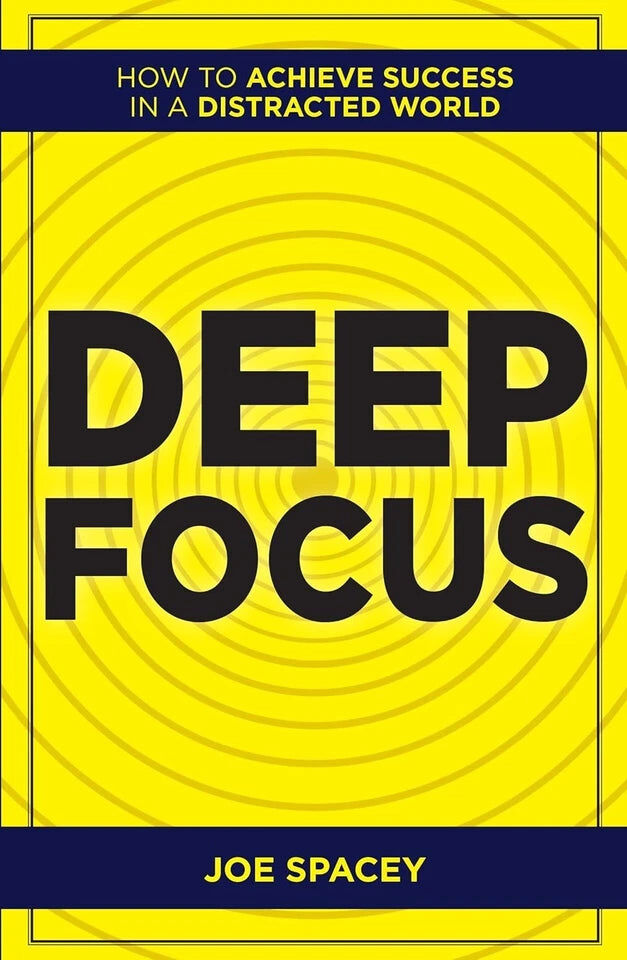
Various Publishers How to Calm Your Mind & Deep Focus 2 Books Collection Set - Chris Bailey & Joe Spacey - Adult Self-Help Paperback - Calm, Focus & Productivity GiftThis 2-book collection set includes 'How to Calm Your Mind' by Chris Bailey and 'Deep Focus: How to Achieve Success in a Distracted World' by Joe Spacey. Both titles are presented in paperback format. 'How to Calm Your Mind' explores the science of anxiety and sustainable energy, while 'Deep Focus' tackles the modern distraction epidemic. Together, they provide a practical toolkit for readers who want to feel calmer, think more clearly, and get more done without burning out. The books are published by Pan Macmillan and Rupa Publications India, respectively, and are suitable for adult readers.7,99 £*Shipping: 2,99 £Secure redirect to the provider
-
Taurus Pro Iso Hack SquatThe Taurus Pro Iso Hack Squat is built with the most demanding gyms in mind. From the commercial build quality to the easily accessible handles to keep users safe and stable, the Taurus Pro Iso Hack Squat is the perfect addition to any gym dedicated to providing its members with top-tier...749,00 £*Shipping: 0,00 £Secure redirect to the provider
-
What is recombination in biology?
Recombination in biology refers to the process by which genetic material from two different sources is combined to produce a new combination of genes. This can occur through sexual reproduction, where genetic material from two parents is combined to create offspring with a unique genetic makeup. Recombination plays a crucial role in generating genetic diversity within populations, which is important for evolution and adaptation to changing environments. In organisms that reproduce sexually, recombination occurs during meiosis, where homologous chromosomes exchange genetic material through a process called crossing over. **
-
How does crossing-over influence recombination?
Crossing-over is a process during meiosis where homologous chromosomes exchange genetic material. This exchange of genetic material results in new combinations of alleles on the chromosomes, leading to genetic recombination. By shuffling genetic material between homologous chromosomes, crossing-over increases genetic diversity in offspring and can result in the creation of new combinations of traits. This process is essential for generating genetic variation within a population and plays a crucial role in evolution. **
-
What is recombination and genetic variability?
Recombination is the process by which genetic material is exchanged between two similar molecules of DNA, resulting in new combinations of genes. This process occurs during meiosis, the cell division that produces gametes (sperm and egg cells). Genetic variability refers to the diversity of genetic material within a population, which is influenced by factors such as recombination, mutations, and gene flow. Recombination plays a key role in generating genetic variability by creating new combinations of genes, which can lead to increased diversity and adaptation within a population. **
-
Why are bird feathers homologous?
Bird feathers are homologous because they all share a common evolutionary origin. They are derived from the same structure in the common ancestor of all birds. Despite the variations in size, shape, and color, bird feathers all serve the same fundamental purpose of providing insulation, aiding in flight, and attracting mates. This shared ancestry and function make bird feathers homologous structures. **
* All prices are inclusive of VAT and, if applicable, plus shipping costs. The offer information is based on the details provided by the respective shop and is updated through automated processes. Real-time updates do not occur, so deviations can occur in individual cases. ** Note: Parts of this content were created by AI.