Buy brain-hack.com ?
We are moving the project
brain-hack.com .
Are you interested in purchasing the domain
brain-hack.com ?
domain@kv-gmbh.de · 0541-91531010
Buy brain-hack.com ?
Are comics as good for the brain as books?
Comics can be just as good for the brain as books. They often require readers to make connections between images and text, which can improve cognitive skills such as visual literacy and comprehension. Additionally, the visual nature of comics can stimulate creativity and imagination. However, it's important to note that the quality of the content is more important than the format, so both comics and books can be beneficial for the brain depending on the material being read. **
Why is the brain not perfused during brain death?
During brain death, the brain is not perfused because the heart has stopped beating, leading to the cessation of blood flow to the brain. Without blood flow, the brain is deprived of oxygen and nutrients, leading to irreversible damage and ultimately, death of the brain tissue. This lack of perfusion also means that the brain is unable to carry out its essential functions, such as maintaining consciousness and regulating bodily functions. **

Similar search terms for Canongate-Books-The-Brain
Top-Angebote
Products related to Canongate-Books-The-Brain:
-
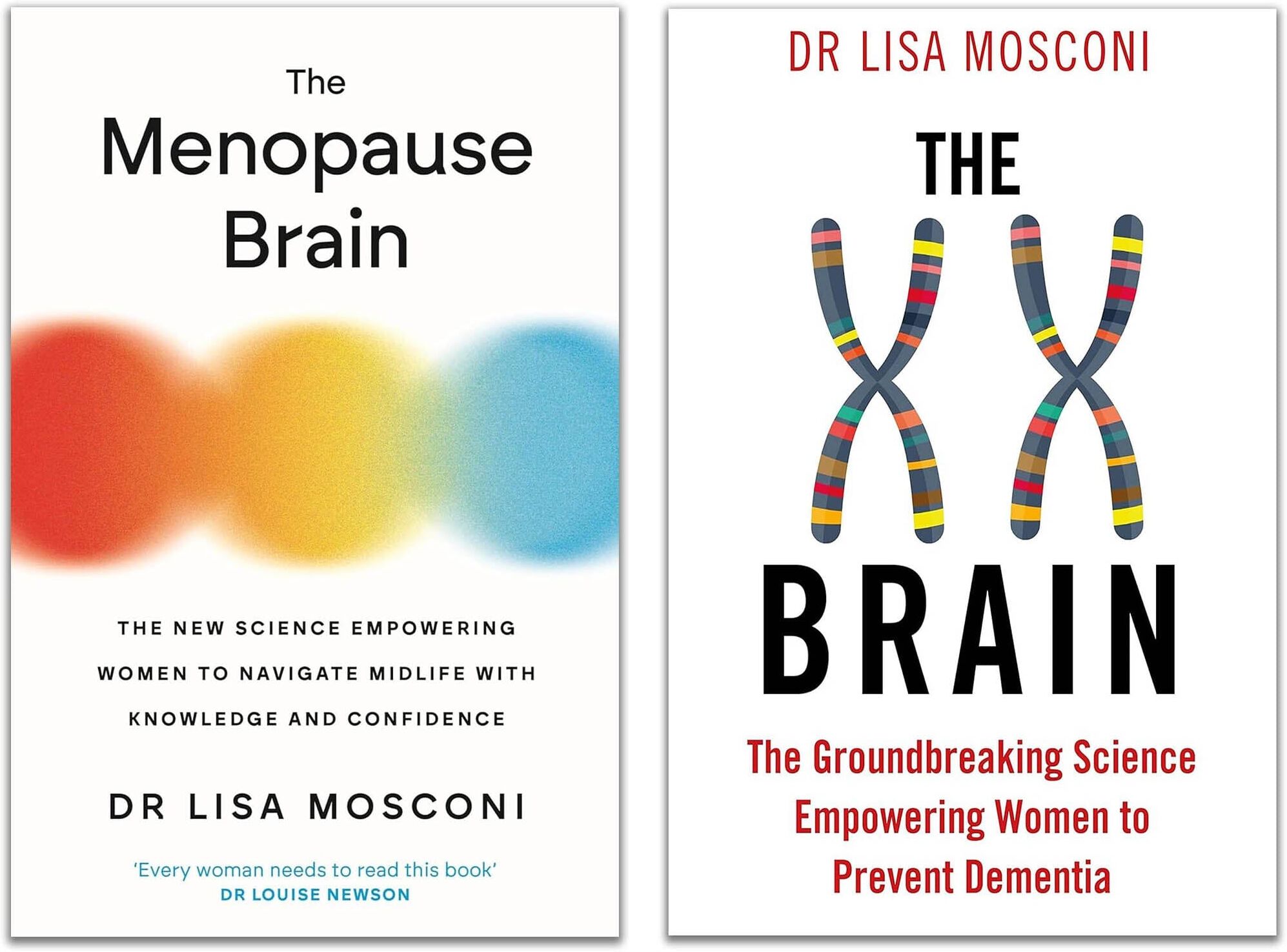
The XX Brain & The Menopause Brain by Dr. Lisa Mosconi 2 Books Collection Set - Non Fiction - Paperback Atlantic BooksTitles in this set: 1. The XX Brain 2. The Menopause Brain Description: The XX Brain Women are far more likely than men to suffer from anxiety, depression, migraines, brain injuries, strokes and Alzheimer's disease. But, until recently, scientific research has focused on 'bikini medicine,' assuming that women are essentially men with different reproductive organs. The XX Brain presents groundbreaking research showing that women's brains age distinctly from men's, due mostly to the decline of a key brain-protective hormone: estrogen. Taking on all aspects of women's health, including brain fog, memory lapses, depression, stress, insomnia, hormonal imbalances and the increased risk of dementia, Dr. Mosconi introduces cutting-edge, evidence-based methods for protecting the female brain, encompassing diet, stress reduction and sleep. She also examines the effectiveness of hormonal replacement therapy, addresses the perils of environmental toxins and explores the role of our microbiome. Luckily, it is never too late to take care of yourself. The Menopause Brain Menopause and perimenopause are still baffling to most doctors, leaving patients exasperated as they grapple with symptoms ranging from hot flashes to insomnia to brain fog. As a leading neuroscientist and women's brain health specialist, Dr Mosconi unravels these mysteries by revealing how menopause doesn't just impact the ovaries - it's a hormonal show in which the brain takes centre stage. The decline of the hormone estrogen during menopause influences everything from body temperature to mood to memory, potentially paving the way for cognitive decline later in life. To conquer these challenges successfully, Dr. Mosconi brings us the latest approaches - explaining the role of cutting-edge hormone replacement therapies like 'designer estrogens,' hormonal contraception and key lifestyle changes encompassing diet, exercise and self-care. Best of all, Dr Mosconi dispels the myth that menopause signifies an end, demonstrating that it's actually a transition. Contrary to popular belief, if we know how to take care of ourselves during menopause, we can emerge with a renewed, enhanced brain - ushering in a meaningful and vibrant new chapter of life.12,99 £*Shipping: 2,99 £Secure redirect to the provider
-
Allen & Unwin Dr. Lisa Mosconi 2 Books Collection Set (The XX Brain & The Menopause Brain)Dr. Lisa Mosconi 2 Books Collection Set (The XX Brain & The Menopause Brain) The XX Brain Women are far more likely than men to suffer from anxiety, depression, migraines, brain injuries, strokes and Alzheimer's disease. But, until recently, scientific research has focused on 'bikini medicine,' assuming that women are essentially men with different reproductive organs. The XX Brain presents groundbreaking research showing that women's brains age distinctly from men's, due mostly to the decline of a key brain-protective hormone: estrogen. Taking on all aspects of women's health, including brain fog, memory lapses, depression, stress, insomnia, hormonal imbalances and the increased risk of dementia, Dr. Mosconi introduces cutting-edge, evidence-based methods for protecting the female brain, encompassing diet, stress reduction and sleep. The Menopause Brain Menopause and perimenopause are still baffling to most doctors, leaving patients exasperated as they grapple with symptoms ranging from hot flashes to insomnia to brain fog. As a leading neuroscientist and women's brain health specialist, Dr Mosconi unravels these mysteries by revealing how menopause doesn't just impact the ovaries - it's a hormonal show in which the brain takes centre stage. The decline of the hormone estrogen during menopause influences everything from body temperature to mood to memory, potentially paving the way for cognitive decline later in life. To conquer these challenges successfully, Dr. Mosconi brings us the latest approaches - explaining the role of cutting-edge hormone replacement therapies like 'designer estrogens,' hormonal contraception and key lifestyle changes encompassing diet, exercise and self-care.12,95 £*Shipping: 2,99 £Secure redirect to the provider
-
Various The XX Brain & Brain Food 2 Books Collection Set by Dr Lisa Mosconi – Women’s Brain Health CollectionDr Lisa Mosconi 2 Books Set - Brain Food & The XX Brain The XX Brain : The Groundbreaking Science Empowering Women to Prevent Dementia Women are far more likely than men to suffer from anxiety, depression, migraines, brain injuries, strokes and Alzheimer's disease. But, until recently, scientific research has focused on 'bikini medicine,' assuming that women are essentially men with different reproductive organs. The XX Brain presents groundbreaking research showing that women's brains age distinctly from men's, due mostly to the decline of a key brain-protective hormone: estrogen. Taking on all aspects of women's health, including brain fog, memory lapses, depression, stress, insomnia, hormonal imbalances and the increased risk of dementia, Dr. Mosconi introduces cutting-edge, evidence-based methods for protecting the female brain, encompassing diet, stress reduction and sleep. She also examines the effectiveness of hormonal replacement therapy, addresses the perils of environmental toxins and explores the role of our microbiome. Luckily, it is never too late to take care of yourself. Brain Food: How to Eat Smart and Sharpen Your Mind Your diet affects your body but it also affects your brain. Brain Food uses cutting-edge research to highlight the connection between nutrition and our brain's health, busting through pseudoscience and demonstrating how we can all change our diet most effectively. Based partly on her own discoveries, and using emerging science, for example on the connection between the brain and the gut, Dr Lisa Mosconi, an expert in both neuroscience and nutrition, reveals the foods and drinks that can prevent dementia, stress, cognitive decline and memory loss - no matter how old we are. Innovative and timely, and with accompanying brain-boosting recipes and lists of what to eat and what to avoid, Brain Food provides the ultimate plan for maximizing our brain power.9,95 £*Shipping: 2,99 £Secure redirect to the provider
-
Allen & Unwin The Menopause Brain & Brain Food 2 Books Set By Dr Lisa MosconiThe Menopause Brain & Brain Food How to Eat Smart and Sharpen Your Mind By Dr Lisa Mosconi 2 Books Collection Set: The Menopause Brain: Menopause and perimenopause are still baffling to most doctors, leaving patients exasperated as they grapple with symptoms ranging from hot flashes to insomnia to brain fog. As a leading neuroscientist and women's brain health specialist, Dr Mosconi unravels these mysteries by revealing how menopause doesn't just impact the ovaries - it's a hormonal show in which the brain takes centre stage.The decline of the hormone estrogen during menopause influences everything from body temperature to mood to memory, potentially paving the way for cognitive decline later in life. To conquer these challenges successfully, Dr. Mosconi brings us the latest approaches - explaining the role of cutting-edge hormone replacement therapies like 'designer estrogens,' hormonal contraception and key lifestyle changes encompassing diet, exercise and self-care. Brain Food: How to Eat Smart and Sharpen Your Mind: Brain Food uses cutting-edge research to highlight the connection between nutrition and our brain's health, busting through pseudoscience and demonstrating how we can all change our diet most effectively. Based partly on her own discoveries, and using emerging science, for example on the connection between the brain and the gut, Dr Lisa Mosconi, an expert in both neuroscience and nutrition, reveals the foods and drinks that can prevent dementia, stress, cognitive decline and memory loss - no matter how old we are.Innovative and timely, and with accompanying brain-boosting recipes and lists of what to eat and what to avoid, Brain Food provides the ultimate plan for maximizing our brain power. 9781838957490 / 97802413817799,95 £*Shipping: 2,99 £Secure redirect to the provider


-
Can the brain vibrate?
No, the brain does not vibrate in the traditional sense. However, the brain does produce electrical activity that can be measured using techniques such as electroencephalography (EEG). This electrical activity represents the communication between neurons in the brain and can be observed as brain waves with different frequencies. These brain waves are not physical vibrations, but rather patterns of electrical activity that reflect different states of consciousness and cognitive processing. **
-
Where is the implicit memory located in the brain? (Neurology)
Implicit memory is primarily located in the basal ganglia, cerebellum, and amygdala in the brain. These regions are responsible for storing and retrieving implicit memories, which are unconscious memories related to skills, habits, and emotional responses. The basal ganglia is involved in procedural memory and motor skills, the cerebellum plays a role in motor learning and coordination, and the amygdala is associated with emotional memory and conditioned responses. **
-
Can the brain really regress or is it just brain fog?
The brain can experience both regression and brain fog, but they are different phenomena. Regression refers to a decline in cognitive function, often due to aging, injury, or disease. This can manifest as a loss of memory, reasoning, or other cognitive abilities. On the other hand, brain fog is a temporary state of mental cloudiness or confusion, often caused by stress, lack of sleep, or certain medical conditions. While brain fog can make it difficult to think clearly, it is not the same as a true regression of cognitive abilities. **
-
Brain or heart?
Both the brain and the heart are vital organs, but if I had to choose, I would say the brain. The brain is the control center of the body, responsible for processing information, making decisions, and controlling all bodily functions. Without the brain, the body would not be able to function. While the heart is essential for pumping blood and delivering oxygen to the body, the brain ultimately governs all of the body's functions. **

How many terabytes of memory does the human brain have?
The human brain does not have terabytes of memory. Instead, the human brain's storage capacity is often estimated in terms of the number of synapses, which are the connections between neurons. It is estimated that the human brain has around 100 trillion synapses, which is equivalent to about 2.5 petabytes of memory. However, it's important to note that the brain's storage and memory capacity is not directly comparable to the storage capacity of a computer, as the brain's processing and memory functions are much more complex and dynamic. **
How does the brain work?
The brain is a complex organ that controls various functions in the body. It processes information received from the senses, allowing us to perceive the world around us. The brain also controls our thoughts, emotions, and behaviors by sending and receiving electrical signals between neurons. Different regions of the brain are responsible for specific functions, such as the frontal lobe for decision-making and the occipital lobe for processing visual information. Overall, the brain works by coordinating and integrating these various functions to help us navigate our daily lives. **
Top-Angebote
Products related to Canongate-Books-The-Brain:
-
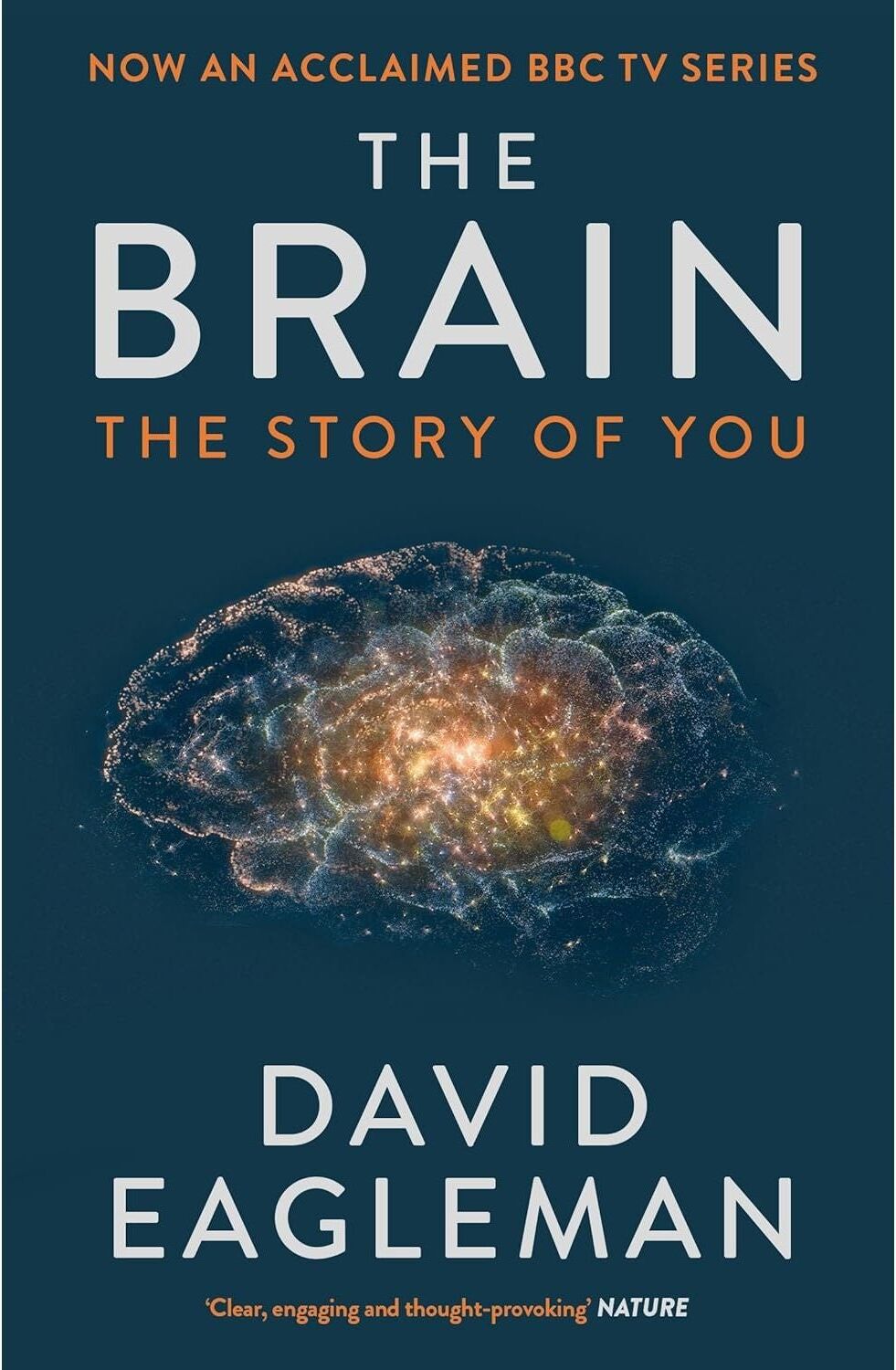
Canongate Books The Brain: The Story of You by David Eagleman'This is the story of how your life shapes your brain, and how your brain shapes your life.'Join renowned neuroscientist David Eagleman on a whistle-stop tour of the inner cosmos. It's a journey that will take you into the world of extreme sports, criminal justice, genocide, brain surgery, robotics, and the search for immortality. On the way, amidst the infinitely dense tangle of brain cells and their trillions of connections, something emerges that you might not have expected to see: you.4,90 £*Shipping: 1,99 £Secure redirect to the provider
-
Penguin Dr. Lisa Mosconi Collection 3 Books Set (Brain Food, The XX Brain & The Menopause Brain)Dr. Lisa Mosconi Collection 3 Books Set (Brain Food, The XX Brain & The Menopause Brain): Brain Food Brain Food uses cutting-edge research to highlight the connection between nutrition and our brain's health, busting through pseudoscience and demonstrating how we can all change our diet most effectively. Based partly on her own discoveries, and using emerging science, for example on the connection between the brain and the gut, Dr Lisa Mosconi, an expert in both neuroscience and nutrition, reveals the foods and drinks that can prevent dementia, stress, cognitive decline and memory loss - no matter how old we are. The XX Brain The XX Brain presents groundbreaking research showing that women's brains age distinctly from men's, due mostly to the decline of a key brain-protective hormone: estrogen.Taking on all aspects of women's health, including brain fog, memory lapses, depression, stress, insomnia, hormonal imbalances and the increased risk of dementia, Dr. Mosconi introduces cutting-edge, evidence-based methods for protecting the female brain, encompassing diet, stress reduction and sleep. The Menopause Brain Menopause and perimenopause are still baffling to most doctors, leaving patients exasperated as they grapple with symptoms ranging from hot flashes to insomnia to brain fog. As a leading neuroscientist and women's brain health specialist, Dr Mosconi unravels these mysteries by revealing how menopause doesn't just impact the ovaries - it's a hormonal show in which the brain takes centre stage12,99 £*Shipping: 2,99 £Secure redirect to the provider
-
The XX Brain & The Menopause Brain by Dr. Lisa Mosconi 2 Books Collection Set - Non Fiction - Paperback Atlantic BooksTitles in this set: 1. The XX Brain 2. The Menopause Brain Description: The XX Brain Women are far more likely than men to suffer from anxiety, depression, migraines, brain injuries, strokes and Alzheimer's disease. But, until recently, scientific research has focused on 'bikini medicine,' assuming that women are essentially men with different reproductive organs. The XX Brain presents groundbreaking research showing that women's brains age distinctly from men's, due mostly to the decline of a key brain-protective hormone: estrogen. Taking on all aspects of women's health, including brain fog, memory lapses, depression, stress, insomnia, hormonal imbalances and the increased risk of dementia, Dr. Mosconi introduces cutting-edge, evidence-based methods for protecting the female brain, encompassing diet, stress reduction and sleep. She also examines the effectiveness of hormonal replacement therapy, addresses the perils of environmental toxins and explores the role of our microbiome. Luckily, it is never too late to take care of yourself. The Menopause Brain Menopause and perimenopause are still baffling to most doctors, leaving patients exasperated as they grapple with symptoms ranging from hot flashes to insomnia to brain fog. As a leading neuroscientist and women's brain health specialist, Dr Mosconi unravels these mysteries by revealing how menopause doesn't just impact the ovaries - it's a hormonal show in which the brain takes centre stage. The decline of the hormone estrogen during menopause influences everything from body temperature to mood to memory, potentially paving the way for cognitive decline later in life. To conquer these challenges successfully, Dr. Mosconi brings us the latest approaches - explaining the role of cutting-edge hormone replacement therapies like 'designer estrogens,' hormonal contraception and key lifestyle changes encompassing diet, exercise and self-care. Best of all, Dr Mosconi dispels the myth that menopause signifies an end, demonstrating that it's actually a transition. Contrary to popular belief, if we know how to take care of ourselves during menopause, we can emerge with a renewed, enhanced brain - ushering in a meaningful and vibrant new chapter of life.12,99 £*Shipping: 2,99 £Secure redirect to the provider
-
Allen & Unwin Dr. Lisa Mosconi 2 Books Collection Set (The XX Brain & The Menopause Brain)Dr. Lisa Mosconi 2 Books Collection Set (The XX Brain & The Menopause Brain) The XX Brain Women are far more likely than men to suffer from anxiety, depression, migraines, brain injuries, strokes and Alzheimer's disease. But, until recently, scientific research has focused on 'bikini medicine,' assuming that women are essentially men with different reproductive organs. The XX Brain presents groundbreaking research showing that women's brains age distinctly from men's, due mostly to the decline of a key brain-protective hormone: estrogen. Taking on all aspects of women's health, including brain fog, memory lapses, depression, stress, insomnia, hormonal imbalances and the increased risk of dementia, Dr. Mosconi introduces cutting-edge, evidence-based methods for protecting the female brain, encompassing diet, stress reduction and sleep. The Menopause Brain Menopause and perimenopause are still baffling to most doctors, leaving patients exasperated as they grapple with symptoms ranging from hot flashes to insomnia to brain fog. As a leading neuroscientist and women's brain health specialist, Dr Mosconi unravels these mysteries by revealing how menopause doesn't just impact the ovaries - it's a hormonal show in which the brain takes centre stage. The decline of the hormone estrogen during menopause influences everything from body temperature to mood to memory, potentially paving the way for cognitive decline later in life. To conquer these challenges successfully, Dr. Mosconi brings us the latest approaches - explaining the role of cutting-edge hormone replacement therapies like 'designer estrogens,' hormonal contraception and key lifestyle changes encompassing diet, exercise and self-care.12,95 £*Shipping: 2,99 £Secure redirect to the provider
-
Are comics as good for the brain as books?
Comics can be just as good for the brain as books. They often require readers to make connections between images and text, which can improve cognitive skills such as visual literacy and comprehension. Additionally, the visual nature of comics can stimulate creativity and imagination. However, it's important to note that the quality of the content is more important than the format, so both comics and books can be beneficial for the brain depending on the material being read. **
-
Why is the brain not perfused during brain death?
During brain death, the brain is not perfused because the heart has stopped beating, leading to the cessation of blood flow to the brain. Without blood flow, the brain is deprived of oxygen and nutrients, leading to irreversible damage and ultimately, death of the brain tissue. This lack of perfusion also means that the brain is unable to carry out its essential functions, such as maintaining consciousness and regulating bodily functions. **
-
Can the brain vibrate?
No, the brain does not vibrate in the traditional sense. However, the brain does produce electrical activity that can be measured using techniques such as electroencephalography (EEG). This electrical activity represents the communication between neurons in the brain and can be observed as brain waves with different frequencies. These brain waves are not physical vibrations, but rather patterns of electrical activity that reflect different states of consciousness and cognitive processing. **
-
Where is the implicit memory located in the brain? (Neurology)
Implicit memory is primarily located in the basal ganglia, cerebellum, and amygdala in the brain. These regions are responsible for storing and retrieving implicit memories, which are unconscious memories related to skills, habits, and emotional responses. The basal ganglia is involved in procedural memory and motor skills, the cerebellum plays a role in motor learning and coordination, and the amygdala is associated with emotional memory and conditioned responses. **
Similar search terms for Canongate-Books-The-Brain
-
Various The XX Brain & Brain Food 2 Books Collection Set by Dr Lisa Mosconi – Women’s Brain Health CollectionDr Lisa Mosconi 2 Books Set - Brain Food & The XX Brain The XX Brain : The Groundbreaking Science Empowering Women to Prevent Dementia Women are far more likely than men to suffer from anxiety, depression, migraines, brain injuries, strokes and Alzheimer's disease. But, until recently, scientific research has focused on 'bikini medicine,' assuming that women are essentially men with different reproductive organs. The XX Brain presents groundbreaking research showing that women's brains age distinctly from men's, due mostly to the decline of a key brain-protective hormone: estrogen. Taking on all aspects of women's health, including brain fog, memory lapses, depression, stress, insomnia, hormonal imbalances and the increased risk of dementia, Dr. Mosconi introduces cutting-edge, evidence-based methods for protecting the female brain, encompassing diet, stress reduction and sleep. She also examines the effectiveness of hormonal replacement therapy, addresses the perils of environmental toxins and explores the role of our microbiome. Luckily, it is never too late to take care of yourself. Brain Food: How to Eat Smart and Sharpen Your Mind Your diet affects your body but it also affects your brain. Brain Food uses cutting-edge research to highlight the connection between nutrition and our brain's health, busting through pseudoscience and demonstrating how we can all change our diet most effectively. Based partly on her own discoveries, and using emerging science, for example on the connection between the brain and the gut, Dr Lisa Mosconi, an expert in both neuroscience and nutrition, reveals the foods and drinks that can prevent dementia, stress, cognitive decline and memory loss - no matter how old we are. Innovative and timely, and with accompanying brain-boosting recipes and lists of what to eat and what to avoid, Brain Food provides the ultimate plan for maximizing our brain power.9,95 £*Shipping: 2,99 £Secure redirect to the provider
-
Allen & Unwin The Menopause Brain & Brain Food 2 Books Set By Dr Lisa MosconiThe Menopause Brain & Brain Food How to Eat Smart and Sharpen Your Mind By Dr Lisa Mosconi 2 Books Collection Set: The Menopause Brain: Menopause and perimenopause are still baffling to most doctors, leaving patients exasperated as they grapple with symptoms ranging from hot flashes to insomnia to brain fog. As a leading neuroscientist and women's brain health specialist, Dr Mosconi unravels these mysteries by revealing how menopause doesn't just impact the ovaries - it's a hormonal show in which the brain takes centre stage.The decline of the hormone estrogen during menopause influences everything from body temperature to mood to memory, potentially paving the way for cognitive decline later in life. To conquer these challenges successfully, Dr. Mosconi brings us the latest approaches - explaining the role of cutting-edge hormone replacement therapies like 'designer estrogens,' hormonal contraception and key lifestyle changes encompassing diet, exercise and self-care. Brain Food: How to Eat Smart and Sharpen Your Mind: Brain Food uses cutting-edge research to highlight the connection between nutrition and our brain's health, busting through pseudoscience and demonstrating how we can all change our diet most effectively. Based partly on her own discoveries, and using emerging science, for example on the connection between the brain and the gut, Dr Lisa Mosconi, an expert in both neuroscience and nutrition, reveals the foods and drinks that can prevent dementia, stress, cognitive decline and memory loss - no matter how old we are.Innovative and timely, and with accompanying brain-boosting recipes and lists of what to eat and what to avoid, Brain Food provides the ultimate plan for maximizing our brain power. 9781838957490 / 97802413817799,95 £*Shipping: 2,99 £Secure redirect to the provider
-
Canongate Books When by Daniel H. Pink – The Scientific Secrets of Perfect Timing & ProductivityTiming is everything . . .How can we use the hidden patterns of the day to build the ideal schedule?Why do certain breaks dramatically improve student test results?When should you have your first coffee of the day?Why is singing in time with other people as good for us as exercise?And what is the ideal time to quit a job, switch careers or get married?In When, Daniel H. Pink distills cutting edge research and data on timing and synthesises them into a fascinating, readable narrative. Packed with irresistible stories and practical takeaways, it provides compelling insights into how we can live richer, more engaged lives.3,99 £*Shipping: 1,99 £Secure redirect to the provider
-
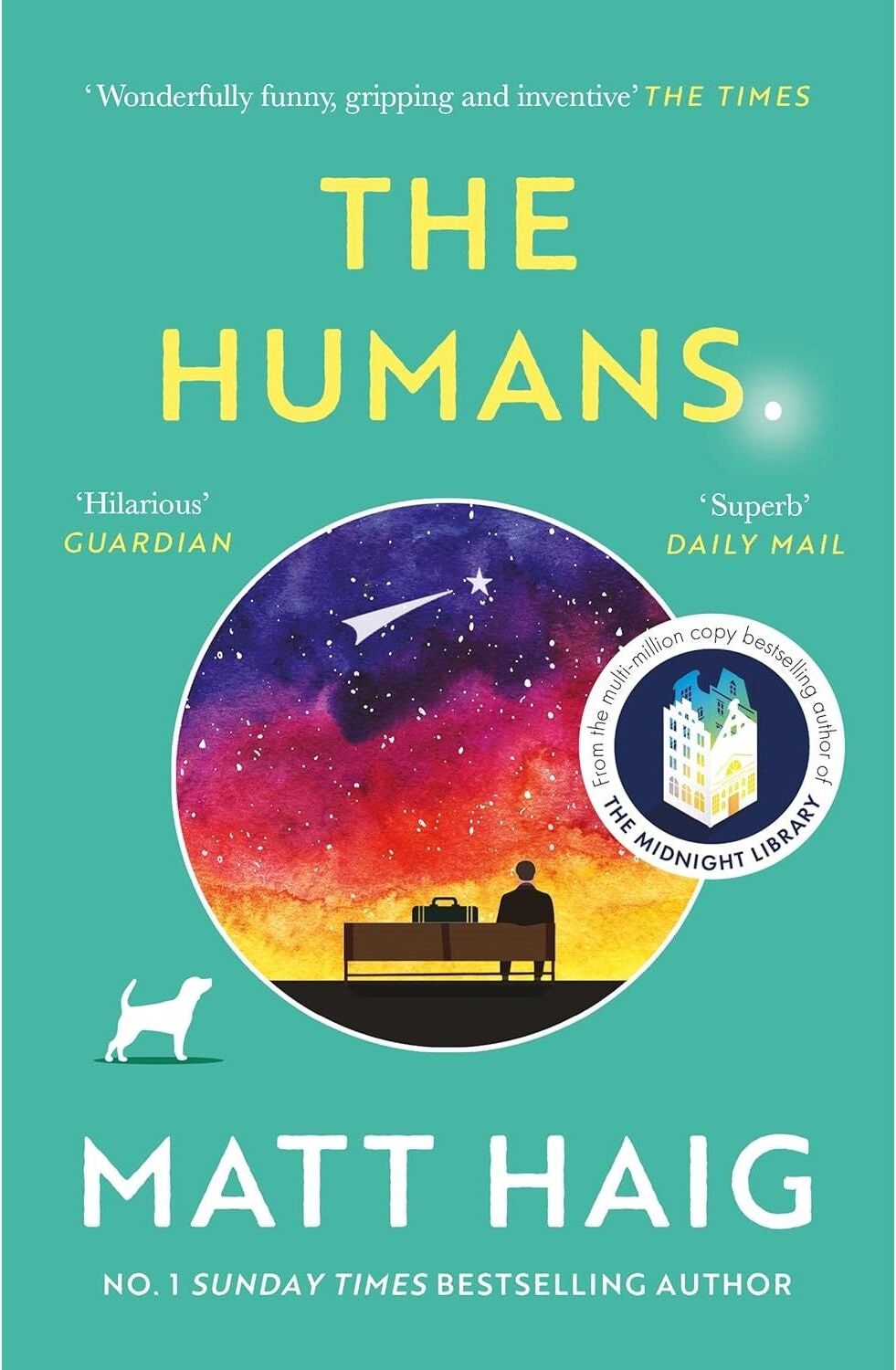
Canongate Books The Humans by Matt HaigTHERE'S NO PLACE LIKE HOME. OR IS THERE? After an 'incident' one wet Friday night where he is found walking naked through the streets of Cambridge; Professor Andrew Martin is not feeling quite himself. Food sickens him. Clothes confound him. Even his loving wife and teenage son are repulsive to him. He feels lost amongst an alien species and hates everyone on the planet. Everyone; that is; except Newton; and he's a dog. Who is he really? And what could make someone change their mind about the human race . . . ?3,99 £*Shipping: 1,99 £Secure redirect to the provider
-
Can the brain really regress or is it just brain fog?
The brain can experience both regression and brain fog, but they are different phenomena. Regression refers to a decline in cognitive function, often due to aging, injury, or disease. This can manifest as a loss of memory, reasoning, or other cognitive abilities. On the other hand, brain fog is a temporary state of mental cloudiness or confusion, often caused by stress, lack of sleep, or certain medical conditions. While brain fog can make it difficult to think clearly, it is not the same as a true regression of cognitive abilities. **
-
Brain or heart?
Both the brain and the heart are vital organs, but if I had to choose, I would say the brain. The brain is the control center of the body, responsible for processing information, making decisions, and controlling all bodily functions. Without the brain, the body would not be able to function. While the heart is essential for pumping blood and delivering oxygen to the body, the brain ultimately governs all of the body's functions. **
-
How many terabytes of memory does the human brain have?
The human brain does not have terabytes of memory. Instead, the human brain's storage capacity is often estimated in terms of the number of synapses, which are the connections between neurons. It is estimated that the human brain has around 100 trillion synapses, which is equivalent to about 2.5 petabytes of memory. However, it's important to note that the brain's storage and memory capacity is not directly comparable to the storage capacity of a computer, as the brain's processing and memory functions are much more complex and dynamic. **
-
How does the brain work?
The brain is a complex organ that controls various functions in the body. It processes information received from the senses, allowing us to perceive the world around us. The brain also controls our thoughts, emotions, and behaviors by sending and receiving electrical signals between neurons. Different regions of the brain are responsible for specific functions, such as the frontal lobe for decision-making and the occipital lobe for processing visual information. Overall, the brain works by coordinating and integrating these various functions to help us navigate our daily lives. **
* All prices are inclusive of VAT and, if applicable, plus shipping costs. The offer information is based on the details provided by the respective shop and is updated through automated processes. Real-time updates do not occur, so deviations can occur in individual cases. ** Note: Parts of this content were created by AI.