Buy brain-hack.com ?
We are moving the project
brain-hack.com .
Are you interested in purchasing the domain
brain-hack.com ?
domain@kv-gmbh.de · 0541-91531010
Buy brain-hack.com ?
What are sensory cells, sensory organs, and senses?
Sensory cells are specialized cells that detect and respond to specific stimuli, such as light, sound, touch, taste, and smell. These cells are found in sensory organs, which are structures in the body that contain sensory cells and are responsible for detecting and transmitting sensory information to the brain. The senses, on the other hand, are the physiological capacities of organisms that provide data for perception. They include sight, hearing, touch, taste, and smell, and are essential for experiencing and interacting with the environment. **
What is the difference between a primary sensory cell, a secondary sensory cell, and a sensory nerve cell?
Primary sensory cells are specialized cells that directly detect stimuli from the environment, such as light, sound, or touch. Secondary sensory cells receive signals from primary sensory cells and transmit them to the central nervous system. Sensory nerve cells, also known as sensory neurons, are responsible for transmitting the signals from secondary sensory cells to the brain, where they are processed and interpreted. In summary, primary sensory cells detect stimuli, secondary sensory cells relay the signals, and sensory nerve cells transmit the signals to the brain for processing. **


Similar search terms for DynamicDeals-CalmSphere-Sensory-Stress
Top-Angebote
Products related to DynamicDeals-CalmSphere-Sensory-Stress:
-
DynamicDeals Banana Squishy Stress Relief Toy For Sensory Focus Banana Squishy Stress Relief Toy For Sensory FocusSoothe busy hands and bring a little calm into your day with this banana squishy toy made for relaxing squeezes anytime. Soft, stretchy, and slowrising, it gives kids, teens, and adults a satisfying way to ease tension, stay focused, or enjoy a...29,97 $*Shipping: 0,00 $Secure redirect to the provider
-
DynamicDeals CalmGrip Rebound Stress Ball Sensory Fidget Toy For Stress Relief, Focus & Hand Therapy greenTake the edge off stressful moments with a simple squeeze. The stress ball is designed for kids, teens, and adults who need a satisfying way to release tension, improve focus, and keep restless hands occupied. Its soft, squishy texture rebounds...31,97 $*Shipping: 0,00 $Secure redirect to the provider
-
DynamicDeals CalmFlow Liquid Motion Timer Sensory Toy For Focus, Relaxation & Stress Relief aBring a moment of calm to busy minds with the liquid motion bubbler, a mesmerizing visual tool designed to encourage relaxation and focus. This colorful sensory toy creates a soothing cascade of liquid droplets that gently flow from top to bottom,...39,97 $*Shipping: 0,00 $Secure redirect to the provider
-
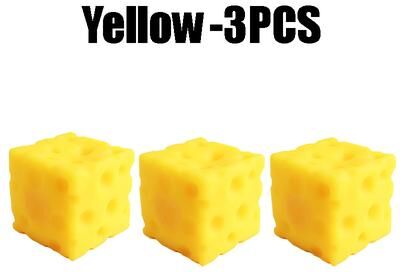
DynamicDeals Cheese Cube Stress Relief Fidget Toy For Focus, Relaxation & Sensory Fun 3pcsFeel calmer, stay focused, and add a little fun to your day with this irresistibly squeezablestress relief toy. Designed for teens and adults who enjoy tactile relaxation, this realistic cheeseshaped fidget delivers satisfying sensory feedback with...29,97 $*Shipping: 0,00 $Secure redirect to the provider



-
What is sensory perception?
Sensory perception refers to the process of receiving and interpreting information from the environment through the senses. This includes the five main senses of sight, hearing, touch, taste, and smell, as well as other sensory experiences such as balance, proprioception, and temperature. The brain then processes this sensory information to create a perception of the world around us, allowing us to interact with and understand our surroundings. Sensory perception is essential for everyday functioning and plays a crucial role in how we experience and navigate the world. **
-
Are receptors sensory cells?
Receptors are not sensory cells themselves, but they are specialized proteins located on the surface of sensory cells. These receptors are responsible for detecting and responding to specific stimuli, such as light, sound, taste, or smell. When a receptor is activated by a stimulus, it triggers a series of biochemical reactions within the sensory cell, ultimately leading to the generation of a sensory signal that can be transmitted to the brain for processing. Therefore, while receptors are not sensory cells, they play a crucial role in the sensory process by detecting and transducing stimuli into neural signals. **
-
What does stress do to the brain?
Stress can have a significant impact on the brain, leading to changes in brain structure and function. Chronic stress can lead to the overproduction of cortisol, a stress hormone, which can impair the function of the prefrontal cortex, the part of the brain responsible for decision-making and emotional regulation. Additionally, stress can also lead to a decrease in the production of new neurons in the hippocampus, which is important for memory and learning. Overall, chronic stress can lead to cognitive impairment, emotional dysregulation, and an increased risk for mental health disorders. **
-
What are sensory nerve cells?
Sensory nerve cells, also known as sensory neurons, are specialized cells that transmit information from the body's sensory organs (such as the skin, eyes, ears, nose, and tongue) to the central nervous system. These cells are responsible for detecting various stimuli, such as touch, temperature, pain, and pressure, and converting these stimuli into electrical signals that can be interpreted by the brain. Sensory nerve cells play a crucial role in allowing us to perceive and respond to our environment. **

Why is sensory transduction necessary?
Sensory transduction is necessary because it allows the body to convert various forms of environmental stimuli, such as light, sound, touch, and chemical signals, into electrical signals that can be interpreted by the nervous system. This process is essential for the body to perceive and respond to its surroundings, allowing for the detection of potential dangers, the regulation of bodily functions, and the experience of sensations such as taste, smell, and touch. Without sensory transduction, the body would not be able to effectively interact with its environment and respond to changes in its surroundings. **
What are artificial sensory organs?
Artificial sensory organs are devices designed to mimic the functions of natural sensory organs, such as the eyes, ears, and skin. These devices use advanced technology to detect and process sensory information, allowing individuals to perceive and interact with their environment in a way that is similar to natural sensory organs. Artificial sensory organs have the potential to enhance or restore sensory capabilities for individuals with disabilities, as well as to provide new sensory experiences for people without impairments. These technologies have the potential to revolutionize healthcare and human-computer interaction. **
Top-Angebote
Products related to DynamicDeals-CalmSphere-Sensory-Stress:
-
DynamicDeals CalmSphere Sensory Stress Ball Squishy Fidget Toy For Anxiety Relief And Focus 3pcs Color RandomBring a little calm to busy days with the sensory stress ball designed to soothe restless hands and racing minds. This soft, satisfying squishy toy helps both kids and adults relax, refocus, and release everyday tension quietly and comfortably. Made...39,97 $*Shipping: 0,00 $Secure redirect to the provider
-
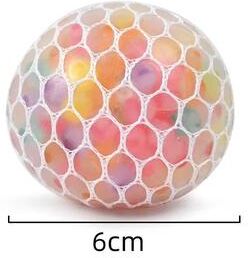
DynamicDeals CalmSphere Rainbow Stress Relief Ball Sensory Squishy Fidget Toy For Kids & Adults 1pc Random ColorFeel calmer, focused, and more relaxed wherever you are. This colorful sensory fidget toy is designed to ease stress, reduce anxious energy, and keep restless hands engaged in a satisfying, silent way. Made with a soft, nontoxic squishy texture and...34,97 $*Shipping: 0,00 $Secure redirect to the provider
-
DynamicDeals Banana Squishy Stress Relief Toy For Sensory Focus Banana Squishy Stress Relief Toy For Sensory FocusSoothe busy hands and bring a little calm into your day with this banana squishy toy made for relaxing squeezes anytime. Soft, stretchy, and slowrising, it gives kids, teens, and adults a satisfying way to ease tension, stay focused, or enjoy a...29,97 $*Shipping: 0,00 $Secure redirect to the provider
-
DynamicDeals CalmGrip Rebound Stress Ball Sensory Fidget Toy For Stress Relief, Focus & Hand Therapy greenTake the edge off stressful moments with a simple squeeze. The stress ball is designed for kids, teens, and adults who need a satisfying way to release tension, improve focus, and keep restless hands occupied. Its soft, squishy texture rebounds...31,97 $*Shipping: 0,00 $Secure redirect to the provider
-
What are sensory cells, sensory organs, and senses?
Sensory cells are specialized cells that detect and respond to specific stimuli, such as light, sound, touch, taste, and smell. These cells are found in sensory organs, which are structures in the body that contain sensory cells and are responsible for detecting and transmitting sensory information to the brain. The senses, on the other hand, are the physiological capacities of organisms that provide data for perception. They include sight, hearing, touch, taste, and smell, and are essential for experiencing and interacting with the environment. **
-
What is the difference between a primary sensory cell, a secondary sensory cell, and a sensory nerve cell?
Primary sensory cells are specialized cells that directly detect stimuli from the environment, such as light, sound, or touch. Secondary sensory cells receive signals from primary sensory cells and transmit them to the central nervous system. Sensory nerve cells, also known as sensory neurons, are responsible for transmitting the signals from secondary sensory cells to the brain, where they are processed and interpreted. In summary, primary sensory cells detect stimuli, secondary sensory cells relay the signals, and sensory nerve cells transmit the signals to the brain for processing. **
-
What is sensory perception?
Sensory perception refers to the process of receiving and interpreting information from the environment through the senses. This includes the five main senses of sight, hearing, touch, taste, and smell, as well as other sensory experiences such as balance, proprioception, and temperature. The brain then processes this sensory information to create a perception of the world around us, allowing us to interact with and understand our surroundings. Sensory perception is essential for everyday functioning and plays a crucial role in how we experience and navigate the world. **
-
Are receptors sensory cells?
Receptors are not sensory cells themselves, but they are specialized proteins located on the surface of sensory cells. These receptors are responsible for detecting and responding to specific stimuli, such as light, sound, taste, or smell. When a receptor is activated by a stimulus, it triggers a series of biochemical reactions within the sensory cell, ultimately leading to the generation of a sensory signal that can be transmitted to the brain for processing. Therefore, while receptors are not sensory cells, they play a crucial role in the sensory process by detecting and transducing stimuli into neural signals. **
Similar search terms for DynamicDeals-CalmSphere-Sensory-Stress
-
DynamicDeals CalmFlow Liquid Motion Timer Sensory Toy For Focus, Relaxation & Stress Relief aBring a moment of calm to busy minds with the liquid motion bubbler, a mesmerizing visual tool designed to encourage relaxation and focus. This colorful sensory toy creates a soothing cascade of liquid droplets that gently flow from top to bottom,...39,97 $*Shipping: 0,00 $Secure redirect to the provider
-
DynamicDeals Cheese Cube Stress Relief Fidget Toy For Focus, Relaxation & Sensory Fun 3pcsFeel calmer, stay focused, and add a little fun to your day with this irresistibly squeezablestress relief toy. Designed for teens and adults who enjoy tactile relaxation, this realistic cheeseshaped fidget delivers satisfying sensory feedback with...29,97 $*Shipping: 0,00 $Secure redirect to the provider
-
DynamicDeals CalmSphere Sensory Stress Ball Squishy Fidget Toy For Anxiety Relief And Focus 1pcs Color RandomBring a little calm to busy days with the sensory stress ball designed to soothe restless hands and racing minds. This soft, satisfying squishy toy helps both kids and adults relax, refocus, and release everyday tension quietly and comfortably. Made...29,97 $*Shipping: 0,00 $Secure redirect to the provider
-
DynamicDeals CalmSphere Rainbow Stress Relief Ball Sensory Squishy Fidget Toy For Kids & Adults 2pc Random ColorFeel calmer, focused, and more relaxed wherever you are. This colorful sensory fidget toy is designed to ease stress, reduce anxious energy, and keep restless hands engaged in a satisfying, silent way. Made with a soft, nontoxic squishy texture and...49,97 $*Shipping: 0,00 $Secure redirect to the provider
-
What does stress do to the brain?
Stress can have a significant impact on the brain, leading to changes in brain structure and function. Chronic stress can lead to the overproduction of cortisol, a stress hormone, which can impair the function of the prefrontal cortex, the part of the brain responsible for decision-making and emotional regulation. Additionally, stress can also lead to a decrease in the production of new neurons in the hippocampus, which is important for memory and learning. Overall, chronic stress can lead to cognitive impairment, emotional dysregulation, and an increased risk for mental health disorders. **
-
What are sensory nerve cells?
Sensory nerve cells, also known as sensory neurons, are specialized cells that transmit information from the body's sensory organs (such as the skin, eyes, ears, nose, and tongue) to the central nervous system. These cells are responsible for detecting various stimuli, such as touch, temperature, pain, and pressure, and converting these stimuli into electrical signals that can be interpreted by the brain. Sensory nerve cells play a crucial role in allowing us to perceive and respond to our environment. **
-
Why is sensory transduction necessary?
Sensory transduction is necessary because it allows the body to convert various forms of environmental stimuli, such as light, sound, touch, and chemical signals, into electrical signals that can be interpreted by the nervous system. This process is essential for the body to perceive and respond to its surroundings, allowing for the detection of potential dangers, the regulation of bodily functions, and the experience of sensations such as taste, smell, and touch. Without sensory transduction, the body would not be able to effectively interact with its environment and respond to changes in its surroundings. **
-
What are artificial sensory organs?
Artificial sensory organs are devices designed to mimic the functions of natural sensory organs, such as the eyes, ears, and skin. These devices use advanced technology to detect and process sensory information, allowing individuals to perceive and interact with their environment in a way that is similar to natural sensory organs. Artificial sensory organs have the potential to enhance or restore sensory capabilities for individuals with disabilities, as well as to provide new sensory experiences for people without impairments. These technologies have the potential to revolutionize healthcare and human-computer interaction. **
* All prices are inclusive of VAT and, if applicable, plus shipping costs. The offer information is based on the details provided by the respective shop and is updated through automated processes. Real-time updates do not occur, so deviations can occur in individual cases. ** Note: Parts of this content were created by AI.