Buy brain-hack.com ?
We are moving the project
brain-hack.com .
Are you interested in purchasing the domain
brain-hack.com ?
domain@kv-gmbh.de · 0541-91531010
Buy brain-hack.com ?
How can I create a second desktop using Remote Desktop?
To create a second desktop using Remote Desktop, you can follow these steps: 1. Open Remote Desktop and connect to the remote computer. 2. Once connected, go to the Start menu and click on the "New Desktop" button. 3. This will create a second desktop on the remote computer, allowing you to switch between the two desktops as needed. 4. You can then open and work on different applications and files on each desktop independently. **
How do I remove the desktop folder from the desktop?
To remove the desktop folder from your desktop, you can simply right-click on the folder and select "Delete" or "Remove." Alternatively, you can drag the folder to the Recycle Bin or Trash to delete it. If you want to keep the folder but remove it from the desktop, you can move it to another location on your computer, such as the Documents or Downloads folder. **

Similar search terms for Desktop
Top-Angebote
Products related to Desktop:
-
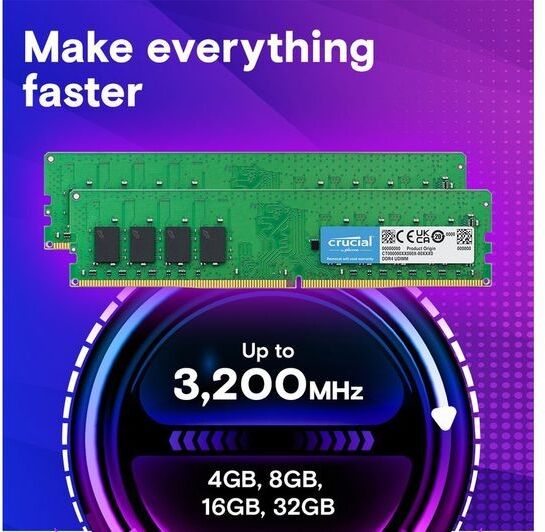
Crucial DDR4 3200MHz CL22 UDIMM Desktop Memory - 16GBCrucial CT16G4DFRA32A is a single 16GB DDR4-3200 UDIMM (CL22, 1.2V, non-ECC, unbuffered) for desktop PCs. It is compatible with DDR4 desktop platforms and falls back to 2933MHz or 2666MHz where the system requires. Backed by Crucial's limited lifetime warranty.257,99 £*Shipping: 0,00 £Secure redirect to the provider
-
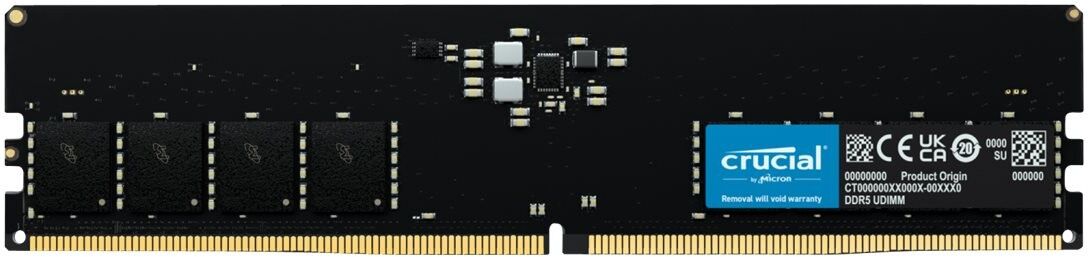
Crucial DDR5-5600 CL46 UDIMM Desktop Memory 8GBCrucial CT8G56C46U5 is an 8GB DDR5 desktop memory module (one 8GB stick). It runs at 5600 MT/s (PC5-44800) with CL46 latency at 1.1V, in the 288-pin UDIMM form factor used by DDR5 desktop PCs. Unbuffered, with on-die ECC and on-module power management (PMIC). On systems limited to 5200 or 4800 MT/s the module runs at the lower supported speed. Check your motherboard supports DDR5 UDIMMs before ordering; DDR5 is not compatible with DDR4 slots. Backed by Crucial's limited lifetime warranty.190,49 £*Shipping: 0,00 £Secure redirect to the provider
-
Crucial DDR5-5600 CL46 UDIMM Desktop Memory 16GBCrucial CT16G56C46U5 is a 16GB DDR5 desktop memory module (one 16GB stick). It runs at 5600 MT/s (PC5-44800) with CL46 latency at 1.1V, in the 288-pin UDIMM form factor used by DDR5 desktop PCs. Unbuffered, with on-die ECC and on-module power management (PMIC). On systems limited to 5200 or 4800 MT/s the module runs at the lower supported speed. Check your motherboard supports DDR5 UDIMMs before ordering; DDR5 is not compatible with DDR4 slots. Backed by Crucial's limited lifetime warranty.321,99 £*Shipping: 0,00 £Secure redirect to the provider
-
Crucial DDR5-5600 CL46 UDIMM Desktop Memory 32GBCrucial CT32G56C46U5 is a 32GB DDR5 desktop memory module (one 32GB stick). It runs at 5600 MT/s (PC5-44800) with CL46 latency at 1.1V, in the 288-pin UDIMM form factor used by DDR5 desktop PCs. Unbuffered, with on-die ECC and on-module power management (PMIC). On systems limited to 5200 or 4800 MT/s the module runs at the lower supported speed. Check your motherboard supports DDR5 UDIMMs before ordering; DDR5 is not compatible with DDR4 slots. Backed by Crucial's limited lifetime warranty.624,49 £*Shipping: 0,00 £Secure redirect to the provider



-
How can I keep certain desktop icons on my desktop?
To keep certain desktop icons on your desktop, you can create a shortcut for the specific files or folders you want to keep visible. Right-click on the file or folder, select "Create shortcut," and then drag the shortcut to your desktop. This will create a separate icon on your desktop that will remain there even if you move or delete the original file or folder. You can also organize these shortcuts into a specific section of your desktop to keep them easily accessible. **
-
Is Docker Desktop secure?
Docker Desktop is generally considered to be secure, as it provides isolation between containers and the host system. However, like any software, there may be vulnerabilities that could potentially be exploited. It is important to keep Docker Desktop up to date with the latest security patches and follow best practices for securing containerized applications. Additionally, users should be cautious when downloading and running images from untrusted sources to minimize security risks. **
-
Web or desktop GUIs?
The choice between web or desktop GUIs depends on the specific requirements of the project. Web GUIs are more accessible as they can be accessed from any device with a browser, while desktop GUIs offer better performance and can work offline. If the application needs to be used across different devices and locations, a web GUI might be more suitable. However, if the application requires complex functionalities and high performance, a desktop GUI could be the better choice. **
-
Has my desktop disappeared?
It is possible that your desktop icons or files may have been hidden or moved. You can try right-clicking on the desktop and selecting "View" and then "Show desktop icons" to see if they reappear. Additionally, check if you have accidentally changed the desktop background to a solid color, which may make it seem like the desktop has disappeared. If these steps do not work, you may need to troubleshoot further or seek technical assistance. **


Could the desktop break?
Yes, a desktop computer could break due to a variety of reasons such as hardware failure, software issues, physical damage, or wear and tear over time. Components like the hard drive, motherboard, or power supply could fail, causing the desktop to stop functioning. Additionally, accidents like dropping the computer or spilling liquid on it could also lead to breakage. Regular maintenance and careful handling can help prevent these issues and prolong the lifespan of a desktop computer. **
What is a PC desktop?
A PC desktop is the main screen that appears on a computer monitor when the operating system has fully loaded. It typically displays icons for files, folders, and applications, as well as a taskbar at the bottom for accessing programs and system functions. Users can customize their desktop by changing the wallpaper, rearranging icons, and adding widgets or shortcuts for quick access to frequently used items. The desktop serves as the central hub for navigating and interacting with the computer's operating system and installed software. **
Top-Angebote
Products related to Desktop:
-
Crucial DDR4 3200MHz CL22 UDIMM Desktop Memory - 32GBCrucial CT32G4DFD832A is a single 32GB DDR4-3200 UDIMM (CL22, 1.2V, non-ECC, unbuffered) for desktop PCs. It is compatible with DDR4 desktop platforms and falls back to 2933MHz or 2666MHz where the system requires. Backed by Crucial's limited lifetime warranty.386,49 £*Shipping: 0,00 £Secure redirect to the provider
-
Crucial DDR4 3200MHz CL22 UDIMM Desktop Memory - 8GBCrucial CT8G4DFRA32A is a single 8GB DDR4-3200 UDIMM (CL22, 1.2V, non-ECC, unbuffered) for desktop PCs. It is compatible with DDR4 desktop platforms and falls back to 2933MHz or 2666MHz where the system requires. Backed by Crucial's limited lifetime warranty.118,49 £*Shipping: 0,00 £Secure redirect to the provider
-
Crucial DDR4 3200MHz CL22 UDIMM Desktop Memory - 16GBCrucial CT16G4DFRA32A is a single 16GB DDR4-3200 UDIMM (CL22, 1.2V, non-ECC, unbuffered) for desktop PCs. It is compatible with DDR4 desktop platforms and falls back to 2933MHz or 2666MHz where the system requires. Backed by Crucial's limited lifetime warranty.257,99 £*Shipping: 0,00 £Secure redirect to the provider
-
Crucial DDR5-5600 CL46 UDIMM Desktop Memory 8GBCrucial CT8G56C46U5 is an 8GB DDR5 desktop memory module (one 8GB stick). It runs at 5600 MT/s (PC5-44800) with CL46 latency at 1.1V, in the 288-pin UDIMM form factor used by DDR5 desktop PCs. Unbuffered, with on-die ECC and on-module power management (PMIC). On systems limited to 5200 or 4800 MT/s the module runs at the lower supported speed. Check your motherboard supports DDR5 UDIMMs before ordering; DDR5 is not compatible with DDR4 slots. Backed by Crucial's limited lifetime warranty.190,49 £*Shipping: 0,00 £Secure redirect to the provider
-
How can I create a second desktop using Remote Desktop?
To create a second desktop using Remote Desktop, you can follow these steps: 1. Open Remote Desktop and connect to the remote computer. 2. Once connected, go to the Start menu and click on the "New Desktop" button. 3. This will create a second desktop on the remote computer, allowing you to switch between the two desktops as needed. 4. You can then open and work on different applications and files on each desktop independently. **
-
How do I remove the desktop folder from the desktop?
To remove the desktop folder from your desktop, you can simply right-click on the folder and select "Delete" or "Remove." Alternatively, you can drag the folder to the Recycle Bin or Trash to delete it. If you want to keep the folder but remove it from the desktop, you can move it to another location on your computer, such as the Documents or Downloads folder. **
-
How can I keep certain desktop icons on my desktop?
To keep certain desktop icons on your desktop, you can create a shortcut for the specific files or folders you want to keep visible. Right-click on the file or folder, select "Create shortcut," and then drag the shortcut to your desktop. This will create a separate icon on your desktop that will remain there even if you move or delete the original file or folder. You can also organize these shortcuts into a specific section of your desktop to keep them easily accessible. **
-
Is Docker Desktop secure?
Docker Desktop is generally considered to be secure, as it provides isolation between containers and the host system. However, like any software, there may be vulnerabilities that could potentially be exploited. It is important to keep Docker Desktop up to date with the latest security patches and follow best practices for securing containerized applications. Additionally, users should be cautious when downloading and running images from untrusted sources to minimize security risks. **
Similar search terms for Desktop
-
Crucial DDR5-5600 CL46 UDIMM Desktop Memory 16GBCrucial CT16G56C46U5 is a 16GB DDR5 desktop memory module (one 16GB stick). It runs at 5600 MT/s (PC5-44800) with CL46 latency at 1.1V, in the 288-pin UDIMM form factor used by DDR5 desktop PCs. Unbuffered, with on-die ECC and on-module power management (PMIC). On systems limited to 5200 or 4800 MT/s the module runs at the lower supported speed. Check your motherboard supports DDR5 UDIMMs before ordering; DDR5 is not compatible with DDR4 slots. Backed by Crucial's limited lifetime warranty.321,99 £*Shipping: 0,00 £Secure redirect to the provider
-
Crucial DDR5-5600 CL46 UDIMM Desktop Memory 32GBCrucial CT32G56C46U5 is a 32GB DDR5 desktop memory module (one 32GB stick). It runs at 5600 MT/s (PC5-44800) with CL46 latency at 1.1V, in the 288-pin UDIMM form factor used by DDR5 desktop PCs. Unbuffered, with on-die ECC and on-module power management (PMIC). On systems limited to 5200 or 4800 MT/s the module runs at the lower supported speed. Check your motherboard supports DDR5 UDIMMs before ordering; DDR5 is not compatible with DDR4 slots. Backed by Crucial's limited lifetime warranty.624,49 £*Shipping: 0,00 £Secure redirect to the provider
-
Integral 8GB DDR5 5600MHz DIMM Desktop Memory ModuleOverview The Integral 8GB DDR5 5600MHz DIMM RAM module offers cutting-edge memory performance for desktop computers. Designed to enhance multitasking and processing speeds, it provides a fast and reliable upgrade for modern PCs. Key Features 8GB DDR5 memory capacity for efficient multitasking Ultra-fast 5600MHz clock speed for enhanced system responsiveness DIMM form factor compatible with most desktop motherboards Supports the latest DDR5 technology for improved bandwidth and power efficiency Reliable and stable performance for gaming, work, and everyday use Easy installation for quick system upgrades Product Description Upgrade your desktop computer with the Integral 8GB DDR5 5600MHz DIMM RAM module, designed to deliver superior performance for demanding applications. With a high clock speed of 5600MHz, this DDR5 memory enhances system responsiveness and multitasking capabilities. Its 8GB capacity provides ample space for running multiple programs smoothly. Compatible with a wide range of desktop motherboards, this memory module is easy to install and offers improved bandwidth and power efficiency compared to previous DDR generations. Ideal for gamers, professionals, and everyday users seeking a reliable memory upgrade.139,00 £*Shipping: 0,00 £Secure redirect to the provider
-
Modern Home Fixes Full Spectrum LED Floor Lamp For Eye Comfort, Focus & Indoor Productivity Full Spectrum LED Floor Lamp For Eye Comfort, Focus & Indoor ProductivityThis Full Spectrum LED Floor Lamp provides natural daylightstyle illumination that reduces eye strain, enhances focus, and improves clarity for reading, crafting, working, or indoor hobbies. It delivers balanced, flickerfree light indoors,...139,97 $*Shipping: 0,00 $Secure redirect to the provider
-
Web or desktop GUIs?
The choice between web or desktop GUIs depends on the specific requirements of the project. Web GUIs are more accessible as they can be accessed from any device with a browser, while desktop GUIs offer better performance and can work offline. If the application needs to be used across different devices and locations, a web GUI might be more suitable. However, if the application requires complex functionalities and high performance, a desktop GUI could be the better choice. **
-
Has my desktop disappeared?
It is possible that your desktop icons or files may have been hidden or moved. You can try right-clicking on the desktop and selecting "View" and then "Show desktop icons" to see if they reappear. Additionally, check if you have accidentally changed the desktop background to a solid color, which may make it seem like the desktop has disappeared. If these steps do not work, you may need to troubleshoot further or seek technical assistance. **
-
Could the desktop break?
Yes, a desktop computer could break due to a variety of reasons such as hardware failure, software issues, physical damage, or wear and tear over time. Components like the hard drive, motherboard, or power supply could fail, causing the desktop to stop functioning. Additionally, accidents like dropping the computer or spilling liquid on it could also lead to breakage. Regular maintenance and careful handling can help prevent these issues and prolong the lifespan of a desktop computer. **
-
What is a PC desktop?
A PC desktop is the main screen that appears on a computer monitor when the operating system has fully loaded. It typically displays icons for files, folders, and applications, as well as a taskbar at the bottom for accessing programs and system functions. Users can customize their desktop by changing the wallpaper, rearranging icons, and adding widgets or shortcuts for quick access to frequently used items. The desktop serves as the central hub for navigating and interacting with the computer's operating system and installed software. **
* All prices are inclusive of VAT and, if applicable, plus shipping costs. The offer information is based on the details provided by the respective shop and is updated through automated processes. Real-time updates do not occur, so deviations can occur in individual cases. ** Note: Parts of this content were created by AI.